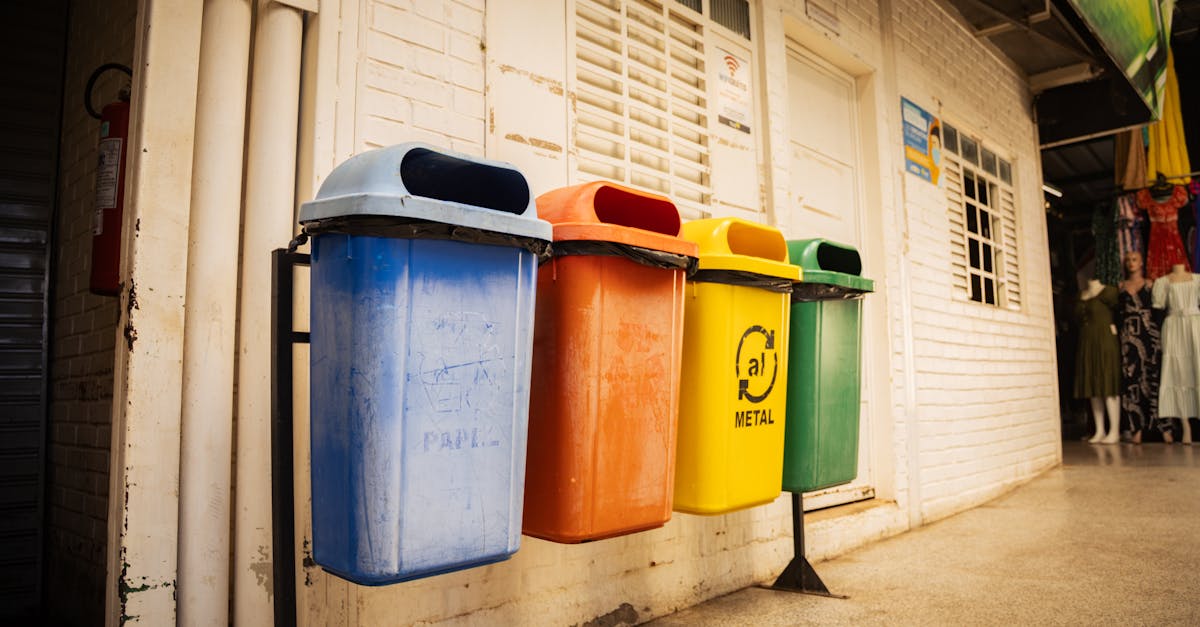
Understanding the Importance of Household Recycling in Urban Areas
Table Of Contents
Economic Advantages of Recycling
Recycling has the potential to yield significant economic benefits for urban areas. The process of converting waste into reusable materials reduces the reliance on raw resources, which can lead to lower production costs for manufacturers. By transforming recycled materials into new products, cities can stimulate local economies while reducing environmental impact. This shift not only promotes sustainable practices but also fosters market demand for recycled goods.
Moreover, investing in recycling infrastructure can create various job opportunities. From collection and sorting to processing and marketing, multiple roles emerge within the recycling sector. These positions often cater to a diverse workforce, providing training and employment opportunities for individuals in need. As cities expand their recycling initiatives, they contribute to a circular economy that prioritises sustainability and economic resilience.
Creating Job Opportunities
The process of recycling in urban environments significantly contributes to job creation. As recycling programs expand, there is an increasing demand for workers across various levels of the recycling industry. These jobs can range from collection and sorting to processing and manufacturing. The growth of green technology also fosters innovation, leading to new roles focused on developing more efficient recycling methods and sustainable materials.
Moreover, community initiatives often accompany recycling programs, providing opportunities for local employment. Neighbourhood recycling drives, educational workshops, and outreach efforts frequently rely on local labour. These efforts not only promote environmental sustainability but also enhance the economic landscape by boosting local employment rates. As such, the benefits of recycling extend beyond environmental concerns, directly impacting community livelihood and economic stability.
Educational Campaigns and Awareness
Effective educational campaigns play a crucial role in promoting recycling practices within urban communities. These initiatives can empower residents to understand the benefits of recycling, not only for environmental sustainability but also for economic growth. Informative workshops, community events, and targeted communication can help demystify the recycling process. By providing clear instructions on what materials can be recycled and how to prepare them, these campaigns can significantly improve participation rates among residents.
Raising awareness about the importance of recycling also involves addressing common misconceptions. Many individuals may underestimate the impact their actions have on the environment. Campaigns should focus on sharing statistics and success stories that illustrate the positive outcomes of collective recycling efforts. Engaging local influencers and leveraging social media platforms can help amplify these messages, reaching a broader audience while fostering a sense of community responsibility towards resource management.
Strategies for Effective Communication
Effective communication plays a vital role in promoting recycling initiatives. Engaging local communities through diverse platforms can enhance awareness and participation. Utilising social media, community newsletters, and local events allows for reaching different demographics. Visual aids, such as infographics and videos, can convey complex information simply. Clear messaging about the benefits of recycling, alongside practical guidance on proper disposal techniques, is essential.
In addition to traditional communication methods, involving local influencers can significantly boost engagement levels. Collaborations with schools, businesses, and environmental organisations can foster a sense of ownership within the community. This approach not only encourages participation but also helps establish a culture of sustainability. Educating residents about the direct impact of recycling on their local environment strengthens their connection to the cause. Encouraging feedback and dialogue also ensures ongoing improvement in communication strategies.
Challenges in Urban Recycling
Urban areas often face significant challenges when it comes to recycling. One of the primary issues is the sheer volume of waste generated. High population densities and diverse living situations lead to increased complexity in managing recyclable materials. Contamination of recyclable bins is another major concern. Incorrectly discarded items can ruin entire batches of recyclables, making them unsalvageable and diverting them to landfills.
Educating residents about proper recycling practices remains a struggle for many cities. While various campaigns exist, they frequently fail to reach all demographic groups effectively. Misunderstandings about what can or cannot be recycled contribute to ongoing contamination problems. Furthermore, lack of infrastructure in certain areas complicates the recycling process, making it less accessible for residents to participate consistently.
Addressing Contamination Issues
Contamination poses a significant challenge for urban recycling initiatives. When non-recyclable materials are mixed with recyclable items, it compromises the integrity of the recycling process. Contaminated loads may be sent to landfill instead of being processed effectively. This not only wastes resources but also increases the overall costs associated with waste management. Moreover, materials contaminated by food residues can cause entire batches of recyclables to be deemed unusable, further exacerbating environmental concerns.
Addressing these issues requires a multi-faceted approach. Implementing clear labelling on recycling bins can help individuals make informed decisions about what can and cannot be recycled. Community education programs play a crucial role in raising awareness about contamination risks. By informing residents about proper recycling practices and the impact of their choices, municipalities can foster a culture of responsible waste management. Engaging local organisations and influencers can also enhance the reach of these initiatives, creating a more informed public dedicated to reducing contamination in recycling streams.
FAQS
Why is household recycling important in urban areas?
Household recycling is crucial in urban areas as it helps reduce waste sent to landfills, conserves natural resources, lowers greenhouse gas emissions, and promotes sustainable living within densely populated communities.
What are the economic advantages of recycling?
Recycling can lead to significant economic advantages, including job creation in recycling and waste management sectors, reduced costs for waste disposal, and the generation of revenue from the sale of recyclable materials.
How can educational campaigns improve recycling rates?
Educational campaigns can enhance recycling rates by raising awareness about the importance of recycling, providing clear instructions on how to recycle properly, and encouraging community involvement through programs and incentives.
What are some common challenges faced in urban recycling?
Common challenges in urban recycling include contamination of recyclable materials, lack of public awareness, insufficient infrastructure, and varying local regulations that can hinder effective recycling efforts.
How can contamination issues in recycling be addressed?
Contamination issues can be addressed through improved public education, clearer recycling guidelines, regular community workshops, and providing accessible recycling bins that differentiate between recyclable and non-recyclable materials.
Related Links
The Benefits of Sorting Household Waste for Recycling in NSWInnovative Approaches to Household Waste Reduction in Liverpool
The Role of Community Programs in Household Waste Recycling
Consumer Tips for Effective Household Recycling in Liverpool
How to Create a Home Recycling Station in Liverpool NSW
Maximising Your Household Recycling Efforts in Liverpool
A Comprehensive Guide to Household Recycling Points in Liverpool NSW
Effective Techniques for Recycling Household Waste in Liverpool NSW