How to Create a Home Recycling Station in Liverpool NSW
Table Of Contents
Proper Recycling Practices
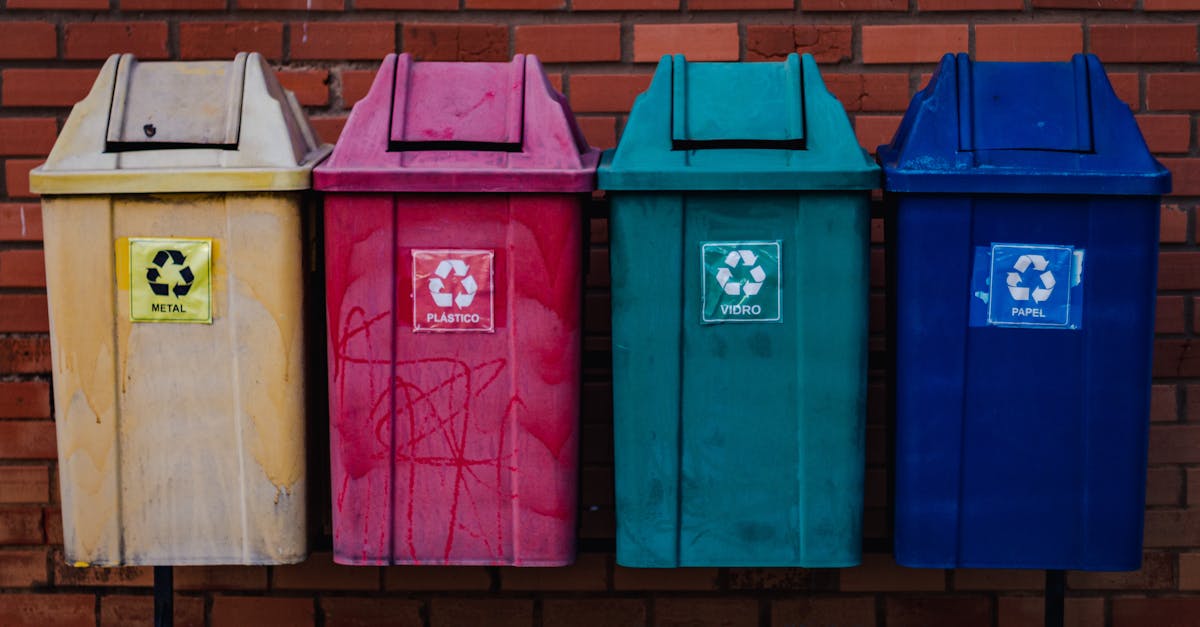
Establishing a home recycling station encourages mindful waste management and minimises landfill contributions. Start by designating specific bins for various materials, such as paper, plastics, glass, and metals. Clear labelling makes it easy for all household members to understand the system. Using colour-coded bins can further enhance the clarity and encourage participation from the entire family.
Rinsing containers before placing them in recycling bins is an essential step. Residue from food or beverages can contaminate recyclable items, making them less likely to be processed correctly. Additionally, breaking down boxes and flattening containers saves space and improves efficiency within the recycling station. By maintaining these proper practices, households contribute positively to the environment while promoting a culture of sustainability.
Understanding What Can and Cannot Be Recycled
Recycling plays a crucial role in waste management, and understanding what can be recycled helps reduce contamination in recycling streams. In general, materials like paper, cardboard, certain plastics, and glass are widely accepted. It’s important to ensure these items are clean and dry prior to recycling. Contamination can occur when food residues or other foreign materials are present, leading to entire batches of recyclable material being rejected.
On the other hand, items such as plastic bags, polystyrene foam, and food-soiled paper cannot be recycled through regular channels. Additionally, some types of plastic, particularly those numbered 3, 6, and 7, often end up in landfill due to limited processing capabilities. Staying informed about local recycling guidelines will ensure that you are effectively contributing to sustainability efforts while minimising waste.
Local Recycling Regulations in Liverpool
Recycling in Liverpool is governed by specific regulations that aim to make the process efficient and effective. Households are required to use the designated yellow bins for recyclable materials. Acceptable items include clean paper, cardboard, glass bottles, and certain plastics. It is important for residents to check the local council’s guidelines for any updates or changes in the accepted materials, as contamination can lead to the entire bin being rejected.
Local authorities also enforce regulations regarding the proper disposal of hazardous materials. Items such as batteries, paints, and electronic waste should not be placed in regular recycling bins. Instead, Liverpool council provides designated drop-off locations for these materials to ensure they are handled safely and responsibly. Familiarising yourself with these regulations can contribute significantly to a cleaner environment and enhance the overall effectiveness of your home recycling station.
Important Guidelines to Follow
Setting up a home recycling station requires a few essential guidelines to ensure its effectiveness. Clearly label each bin to avoid confusion and make it easy for everyone in the household to know where each type of waste should go. Use colour-coded bins for various materials such as paper, plastic, glass, and metals to streamline the sorting process. Keep the area tidy and accessible, so it encourages regular use and easy maintenance.
Regularly check the local recycling rules to stay updated on what can be accepted and what cannot. Contaminated items can lead to the rejection of entire batches of recycling. Rinse out food containers before placing them in the recycling bin to eliminate any residual waste. Create a routine for taking the recycling out to avoid overflow, as a cluttered station can discourage adherence to sustainable practices at home.
Incorporating Composting into Your Recycling Station
Creating a composting area within your home recycling station is an effective way to manage organic waste. This simple addition can significantly reduce the amount of waste sent to landfill while also providing nutrient-rich material for your garden. Selecting a suitable compost bin is vital. Options range from traditional bins to worm farms, each catering to different space and maintenance preferences.
Incorporating composting not only diverts food scraps and garden waste but also promotes sustainability. The process enriches soil, aids in plant growth and attracts beneficial microorganisms. By composting, you contribute to a healthier environment while also making use of what would otherwise be waste. Consider starting a small compost bin with kitchen scraps like vegetable peels and coffee grounds, and gradually expand your composting efforts as you become more comfortable with the process.
Benefits of Composting Organic Waste
Composting organic waste significantly reduces the amount of rubbish sent to landfill. This process not only minimises waste but also helps to lower greenhouse gas emissions produced by decomposing organic materials. By keeping food scraps and garden waste out of the trash bin, households contribute to a more sustainable waste management system and lessen their environmental impact.
Additionally, composting enriches soil health, making it a perfect addition to gardening and landscaping efforts. The nutrient-rich compost created through the decomposition of kitchen scraps and yard waste can improve soil structure, promote plant growth, and enhance moisture retention. Using compost also reduces the need for chemical fertilisers, promoting a more natural and chemical-free approach to gardening.
FAQS
What materials can I recycle at home in Liverpool, NSW?
In Liverpool, NSW, you can typically recycle paper, cardboard, glass bottles, aluminium cans, and some plastics. However, it's essential to check with your local council for specific guidelines on what can and cannot be recycled.
How do I know if an item is recyclable?
To determine if an item is recyclable, look for recycling symbols, check the material type, and refer to your local council’s recycling guidelines. Items that are not clean or contain food residues are usually not accepted.
Are there any specific local regulations I should be aware of for recycling in Liverpool?
Yes, Liverpool has specific local regulations that outline what can be recycled and the proper disposal methods. It's recommended to visit the Liverpool City Council website or contact them directly for the most up-to-date information.
Can I compost food waste at home in Liverpool?
Yes, composting food waste at home is a great practice in Liverpool. It helps reduce landfill waste and provides nutrient-rich compost for gardening. Be sure to follow local guidelines on composting to ensure it is done correctly.
What are the benefits of having a home recycling station?
Having a home recycling station encourages proper waste separation, reduces landfill contributions, promotes sustainable practices, and can save money on waste disposal fees. It also helps raise awareness about environmental issues within the community.
Related Links
Consumer Tips for Effective Household Recycling in LiverpoolMaximising Your Household Recycling Efforts in Liverpool
The Role of Community Programs in Household Waste Recycling
The Benefits of Sorting Household Waste for Recycling in NSW
Understanding the Importance of Household Recycling in Urban Areas
Innovative Approaches to Household Waste Reduction in Liverpool
A Comprehensive Guide to Household Recycling Points in Liverpool NSW
Effective Techniques for Recycling Household Waste in Liverpool NSW