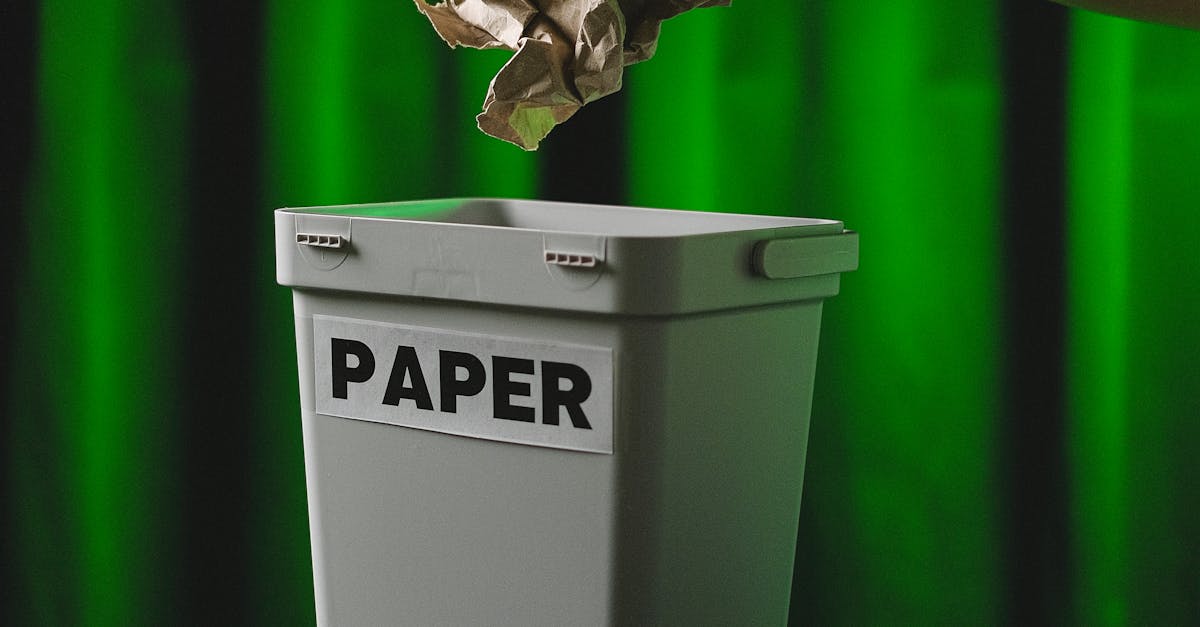
Maximising Your Household Recycling Efforts in Liverpool
Table Of Contents
Reducing Contamination Rates
Contamination in recycling often occurs when non-recyclable materials are placed alongside recyclables. This can lead to entire batches of recyclable materials being sent to landfill, reducing the overall effectiveness of recycling programs. To tackle this issue, it's essential for households to familiarise themselves with local guidelines regarding what materials are accepted. Clear labelling on bins can assist residents in making informed decisions about what to discard.
Furthermore, rinsing out containers can significantly decrease contamination rates. Leftover food residue can interfere with the recycling process, resulting in contamination. Residents are encouraged to thoroughly rinse materials such as plastic bottles and aluminium cans before placing them in recycling bins. This simple practice not only improves the quality of recyclables but also enhances the efficiency of the recycling system overall.
Best Practices for Clean Recycling
Keeping recyclable materials clean is essential for effective recycling. Rinsing containers before placing them in the recycling bin eliminates food residue and other contaminants. This simple practice helps prevent contamination, which can lead to entire batches of recyclables being sent to landfill. Always ensure that bottles, jars, and cans are empty and free from sticky substances.
Sorting materials properly also plays a crucial role in maintaining cleanliness. Different types of plastics, metals, and paper should not be mixed together. Using designated bins for each material type can make it easier to keep recyclables organised and clean. Taking the time to follow these best practices contributes to a more efficient recycling process and maximises the potential for reusing materials.
Recycling Beyond the Bin
Many household items can find new life beyond the recycling bin. For example, glass jars can be repurposed for storage, serving as stylish containers for pantry staples or craft supplies. Worn-out clothing can be transformed into cleaning rags or even quilt patches, allowing for creative upcycling projects that reduce waste. Households can also explore community swap events or gifting items to friends and family, promoting a culture of sharing and resourcefulness.
Additionally, organic waste can be turned into valuable compost for gardens. Composting not only diverts waste from landfills but also enriches soil and supports local ecosystems. Many local councils provide information on composting methods and workshops, making it easier for residents to get started. Engaging in such practices helps to foster a sustainable mindset within the community, demonstrating that conscious consumption and responsible disposal go hand in hand.
Creative Ways to Reuse Household Items
Many household items can find new life with a bit of creativity. Glass jars serve as excellent storage containers for dry goods. Old t-shirts can be transformed into reusable shopping bags, reducing the need for single-use plastic. There are countless possibilities, such as using egg cartons for seed starters in the garden. Each repurposed item not only helps reduce waste but also adds a personal touch to home décor.
Crafting and DIY projects offer an enjoyable way to breathe new life into items that would typically be thrown away. For example, wooden pallets can be turned into stylish furniture pieces, while tin cans can be transformed into vibrant plant pots. By looking at everyday objects through a different lens, you can inspire not only your household but also your community to embrace a culture of sustainability. Exploring these options fosters a more environmentally conscious mindset and showcases innovation in resourcefulness.
Education and Awareness Initiatives
Local councils play a vital role in promoting recycling education through community workshops and events. These initiatives provide residents with an opportunity to learn about proper recycling practices and the importance of reducing waste. Additionally, schools often incorporate sustainability programs into their curricula, encouraging students to become responsible stewards of the environment from a young age.
Digital platforms have also become essential for spreading awareness. Many councils and organisations share informative graphics, videos, and articles online, making recycling information more accessible. Social media campaigns further engage the community by showcasing the positive impact of recycling efforts and sharing success stories from local households. These resources help foster a culture of recycling and sustainability throughout Liverpool.
Resources for Learning About Recycling
Various organisations provide excellent resources for understanding recycling practices. Local councils regularly publish guidelines that clarify what materials can be recycled and how to prepare them. Websites dedicated to environmental education also offer interactive tools and quizzes, which can help households grasp the significance of their recycling efforts. Additionally, community workshops often feature presentations from recycling experts who share practical tips and new developments in the recycling landscape.
Libraries and community centres can be valuable sources of information, hosting events focused on sustainability. Many of these venues offer brochures and pamphlets that outline effective recycling methods. Online platforms, including social media groups dedicated to environmental awareness, have emerged as spaces for sharing tips and tricks within local communities. Engaging with these resources fosters a deeper understanding of recycling, empowering residents to improve their practices and contribute positively to their surroundings.
FAQS
What are the common contaminants found in recycling bins?
Common contaminants include food residue, plastic bags, polystyrene, and other non-recyclable materials that can spoil the recycling process.
How can I ensure my recyclables are clean?
Rinse out containers, remove labels if necessary, and ensure there are no leftover food or liquids before placing items in the recycling bin.
What are some creative ways to reuse household items?
You can repurpose glass jars for storage, use old t-shirts as reusable bags, or turn cardboard boxes into organiser trays.
Where can I find educational resources about recycling in Liverpool?
The Liverpool City Council website offers various resources, including guides, workshops, and information on local recycling initiatives.
Are there any local events focused on recycling and sustainability?
Yes, Liverpool frequently hosts community events, workshops, and clean-up days. Check the local council’s events page for upcoming initiatives.
Related Links
How to Create a Home Recycling Station in Liverpool NSWThe Benefits of Sorting Household Waste for Recycling in NSW
The Role of Community Programs in Household Waste Recycling
Consumer Tips for Effective Household Recycling in Liverpool
Understanding the Importance of Household Recycling in Urban Areas
Innovative Approaches to Household Waste Reduction in Liverpool
A Comprehensive Guide to Household Recycling Points in Liverpool NSW
Effective Techniques for Recycling Household Waste in Liverpool NSW