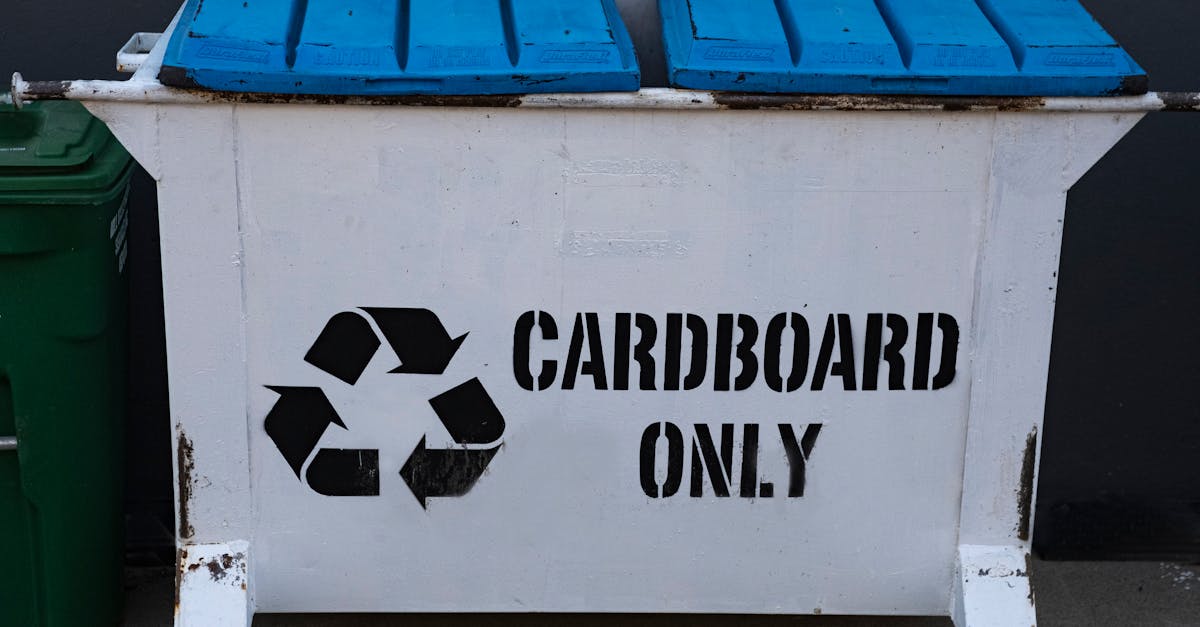
Innovative Eco-Friendly Waste Solutions for Households in Liverpool
Table Of Contents
Community Involvement in Waste Solutions
Residents in Liverpool have begun to recognise the power of collective action in addressing waste management issues. Local neighbourhood groups and environmental forums actively engage community members in discussions about sustainable practices. Initiatives such as clean-up days, recycling drives, and educational workshops create a shared sense of responsibility. These events not only foster community spirit but also provide practical knowledge about reducing waste.
The involvement of schools and local businesses further enhances these efforts. Educational institutions often collaborate with residents to incorporate environmental education into their curriculum, teaching students about the importance of recycling and composting. Local businesses can support this movement by adopting eco-friendly policies and offering incentives for sustainable behaviours. Through these collaborative efforts, Liverpool's community members contribute to a cleaner, greener environment.
Collaborative Initiatives in Liverpool
Local agencies and community groups in Liverpool have united to implement eco-friendly waste solutions that engage residents and reduce landfill contributions. Projects like community clean-up days and recycling workshops encourage participation while fostering a sense of responsibility amongst individuals. These collaborative efforts aim to educate locals about the importance of proper waste disposal and recycling techniques.
Partnerships between schools, businesses, and environmental organisations further amplify the impact of these initiatives. Programs focus on awareness campaigns and practical activities that showcase the benefits of sustainable practices. By involving various sectors of the community, Liverpool is paving the way for a greener future while inspiring collective action amongst its residents.
Smart Technology in Waste Management
The integration of technology into waste management systems has transformed how households address their waste. Smart bins equipped with sensors can monitor fill levels and streamline collection routes, reducing unnecessary waste collection trips. These innovations contribute to greener practices while optimising operational efficiency for waste management services.
Mobile applications play a significant role in promoting eco-friendly habits among residents. Users can track their waste disposal activities, receive reminders for recycling days, and access tips for reducing waste. By utilising these tools, households in Liverpool can become more mindful of their consumption patterns and actively engage in sustainable practices.
Apps and Tools for Eco-Friendly Living
The rise of mobile applications has significantly impacted how households engage in eco-friendly practices. Various platforms allow users to track waste disposal, manage recycling routines, and find local composting facilities. Many of these apps offer features such as real-time updates on waste collection schedules and gamified challenges that encourage sustainable habits among family members. Users can create profiles to monitor their environmental footprint, gaining insights into their contributions toward reducing waste.
Several tools complement these applications, enhancing users' capacity to maintain an eco-friendly lifestyle. Smart devices, such as energy-efficient refrigerators and sensor-equipped waste bins, help automate and optimise waste separation and energy usage. These technologies not only reduce household waste but also promote responsible consumption of resources. Integration of apps with home automation systems allows for seamless operation, further supporting sustainable practices within everyday living.
Benefits of Upcycling Household Items
Upcycling household items not only helps in reducing waste but also promotes creativity and resourcefulness. By transforming unused or discarded items into something functional or decorative, individuals can contribute to a more sustainable environment. This practice encourages a mindset that values innovation over consumption. It often leads to unique creations that reflect personal style and preferences, providing a sense of accomplishment and satisfaction.
Moreover, upcycling can result in significant financial savings. Instead of purchasing new products, households can creatively repurpose what they already have, saving money in the process. This practice can also foster a sense of community, as friends and family can share ideas and techniques for repurposing items. Engaging in upcycling activities can strengthen bonds and inspire collective efforts towards sustainability within local communities.
Creative Ways to Repurpose Everyday Goods
Households can transform a range of items into functional or decorative goods, making the most of what might have gone to waste. Glass jars, for instance, can be used as stylish storage solutions for pantry items or craft supplies. With a bit of paint or decoration, these jars become attractive features rather than mere containers. Old t-shirts can also be repurposed into reusable shopping bags, minimizing single-use plastic consumption while showcasing personal style.
Wooden pallets often find new life as furniture, such as coffee tables or garden planters. A coat of varnish can enhance their appeal, allowing them to blend seamlessly into home decor. Even broken items can have a second chance; shattered dishes can be transformed into mosaic art for outdoor spaces, creating unique pieces that add character. These creative approaches not only help reduce waste but also encourage a more sustainable lifestyle, showcasing individual creativity while benefiting the environment.
FAQS
What are some community initiatives in Liverpool aimed at improving waste management?
Liverpool has several collaborative initiatives, including local clean-up events, recycling workshops, and community gardens that promote sustainable practices among residents.
How can smart technology assist in waste management for households?
Smart technology can help households manage waste more efficiently by providing real-time data on recycling habits, alerting users about waste collection schedules, and offering tips on reducing waste.
What apps are available for promoting eco-friendly living in Liverpool?
There are various apps designed to support eco-friendly living, such as those that track recycling habits, provide tips for reducing waste, and connect users with local recycling facilities.
What are the environmental benefits of upcycling household items?
Upcycling reduces waste in landfills, conserves resources by eliminating the need for new materials, and promotes creative reuse, which can lead to unique and functional items for the home.
How can I creatively repurpose everyday goods in my home?
Everyday items can be repurposed in numerous ways, such as turning glass jars into storage containers, using old t-shirts as cleaning rags, or creating garden planters from plastic bottles.
Related Links
Understanding the Role of Bio-Degradable Materials in Waste ManagementHow to Reduce Your Carbon Footprint with Green Waste Disposal
Evaluating the Impact of Landfill Alternatives on Local Ecology
Benefits of Composting in Skip Bin Waste Disposal
The Role of Skip Bin Companies in Promoting Environmental Sustainability
Community Initiatives for Environmental Waste Management in NSW
Tips for Choosing Eco-Conscious Skip Bin Hire Options