How to Reduce Your Carbon Footprint with Green Waste Disposal
Table Of Contents
Local Green Waste Disposal Services
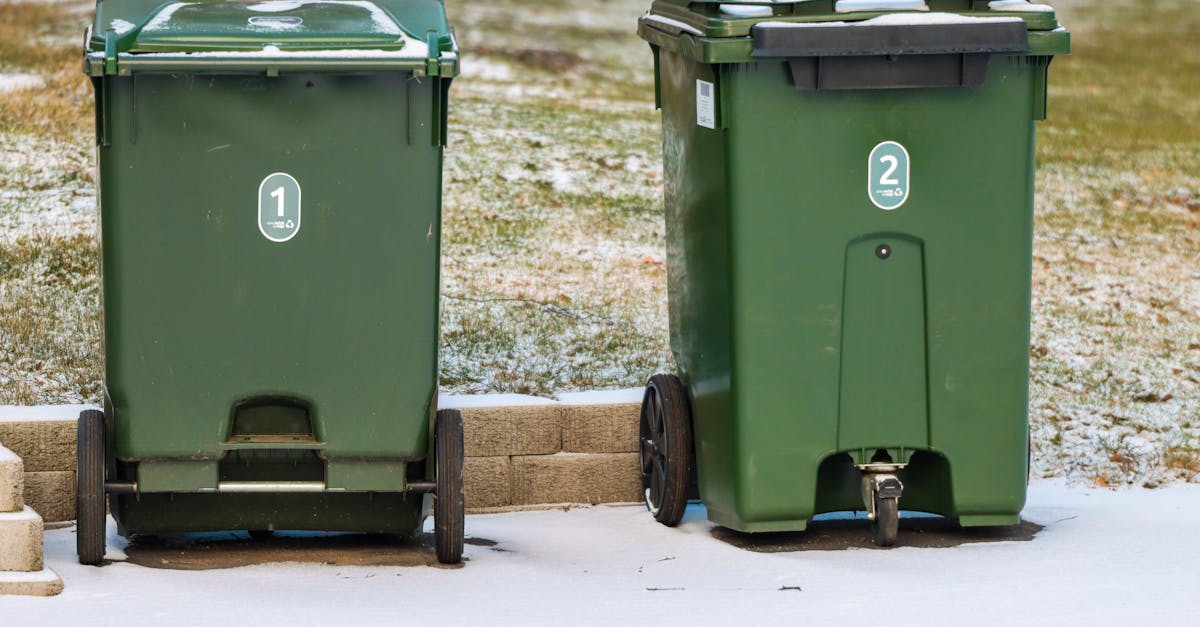
Accessing green waste disposal services plays a crucial role in reducing overall carbon emissions. Many local councils in Australia offer dedicated green waste collection services, making it easier for residents to separate organic materials from general waste. These services typically involve scheduled pickups, where households can place their garden clippings, branch cuttings, and other green waste out for collection. Some areas also provide drop-off facilities where residents can take their green waste for environmentally friendly processing.
Exploring these options can significantly enhance community participation in sustainable waste management practices. Local businesses may also offer specialised composting services that promote the recycling of organic matter. When selecting a service, it is essential to consider the types of waste accepted and any associated costs. Researching local options not only supports individual efforts in reducing carbon footprints but also fosters a more environmentally aware community.
Finding the Right Service in Your Area
When searching for a green waste disposal service, it is essential to consider the specific needs of your household and community. Start by investigating local providers that offer curbside collection or drop-off facilities. Many councils provide dedicated services for green waste, allowing residents to dispose of their garden clippings, leaves, and other organic materials in an environmentally friendly manner. Check their schedules, fees, and any restrictions on the types of waste accepted.
It can also be beneficial to read reviews and seek recommendations from neighbours and friends. Local community forums or social media pages often feature discussions about the most reliable and efficient services. Additionally, some companies might offer composting workshops or resources to help residents manage their waste better. Engaging with local service providers can lead to more sustainable practices and build a sense of community around environmental responsibility.
Reducing Food Waste at Home
Minimising food waste at home begins with careful planning and organisation. Creating a shopping list before heading to the supermarket can help prevent impulse buys, ensuring that only necessary items are purchased. Additionally, understanding the difference between "best before" and "use by" dates allows consumers to make better decisions about food freshness and safety. Storing perishable items properly can also extend their shelf life, reducing the likelihood of spoilage.
In the kitchen, smaller strategies can have a significant impact. Implementing the practice of using leftovers creatively can turn what would be waste into new meals. Cooking in smaller portions can help families avoid over-preparing, while composting food scraps can transform waste into valuable nutrients for gardens. Engaging all members of the household in these practices encourages a collective effort towards reducing waste, fostering a culture of sustainability at home.
Strategies for Minimising Kitchen Waste
Minimising kitchen waste begins with planning your meals. Creating a shopping list based on your meal plan helps ensure that you only buy what you need. This reduces the likelihood of purchasing excess food that may spoil before consumption. Furthermore, using a portioning technique when cooking can prevent leftovers from ending up in the bin. Consider using airtight containers to store any remaining food, which can be reused throughout the week.
Another effective strategy is to repurpose food scraps into new dishes. Vegetable peels, stems, and corncobs can be transformed into stocks or broths, enhancing flavours instead of being discarded. Additionally, composting excess food waste such as fruits and vegetables provides a sustainable way to enrich soil while reducing landfill contributions. Engaging with creative cooking methods not only reduces waste but also adds variety to your meals.
Educating Your Community
Community engagement is crucial for fostering an understanding of green waste benefits. Organising workshops and events can provide valuable information on sustainable practices. Local environmental groups often offer resources that highlight the importance of reducing waste. Schools can become vital partners in these initiatives by incorporating environmental education into their curriculum. Engaging the younger generation promotes long-term habits that benefit both the community and the planet.
Utilising social media platforms can effectively spread awareness about the significance of proper waste disposal. Sharing success stories and practical tips encourages residents to take action. Collaborating with local businesses can also amplify the reach of educational campaigns. By highlighting the direct impact of green waste disposal on the environment, communities will feel more motivated to participate. Continued education ensures that everyone understands their role in achieving sustainability goals within their neighbourhoods.
Raising Awareness About Green Waste Benefits
Understanding the advantages of green waste disposal can empower communities to make more sustainable choices. Composting organic materials reduces landfill contributions while enhancing soil health. This practice not only lessens greenhouse gas emissions but also improves local biodiversity. Schools and community groups can play a crucial role in promoting these benefits through workshops and educational initiatives aimed at all age groups.
Communities that embrace green waste initiatives often see enhanced local environments, leading to healthier ecosystems. Sharing successful stories and case studies can inspire others to adopt similar practices. Collaboration with local councils can also promote effective waste management strategies. Engaging residents in discussions about recycling and composting encourages a culture of sustainability that benefits everyone.
FAQS
What is a carbon footprint, and why is it important to reduce it?
A carbon footprint is the total amount of greenhouse gases, particularly carbon dioxide, that are emitted directly or indirectly by an individual, organisation, or product. Reducing your carbon footprint is important to mitigate climate change and promote environmental sustainability.
What types of materials can be considered green waste?
Green waste typically includes organic materials such as grass clippings, leaves, branches, and food scraps. These materials can be composted or processed into mulch, which helps reduce landfill waste and lower greenhouse gas emissions.
How do I find local green waste disposal services?
You can find local green waste disposal services by searching online for waste management companies in your area, checking your local council's website, or asking for recommendations from neighbours. Many councils also provide specific information about green waste collection days.
What are some effective strategies for minimising kitchen waste?
Effective strategies for minimising kitchen waste include meal planning to reduce excess food purchases, using leftovers creatively, composting food scraps, and properly storing food to extend its shelf life.
How can I educate my community about the benefits of green waste disposal?
You can educate your community by organising workshops, creating informative materials, using social media to share tips and success stories, and partnering with local organisations to raise awareness about the benefits of green waste disposal and its impact on reducing carbon footprints.
Related Links
Innovative Eco-Friendly Waste Solutions for Households in LiverpoolSustainable Practices for Eco-Friendly Waste Disposal in Liverpool NSW
Evaluating the Impact of Landfill Alternatives on Local Ecology
Benefits of Composting in Skip Bin Waste Disposal
The Role of Skip Bin Companies in Promoting Environmental Sustainability