Guidelines for Developing a Comprehensive Waste Management Plan
Table Of Contents
Promoting Waste Reduction
Encouraging a culture of waste reduction in communities and organisations is essential for sustainable development. Education plays a central role in this process. By informing individuals about the impacts of waste on the environment and human health, people can make more conscious decisions regarding their consumption habits. Workshops, seminars, and school programs can provide practical tips for reducing waste, such as opting for reusable items instead of single-use products.
Implementing initiatives that incentivise waste reduction can further motivate individuals and businesses to participate. Examples include offering discounts for customers who bring their own bags or containers to stores. Local governments can also promote waste minimisation through policies that encourage composting, bulk purchasing options, and the use of digital tools to reduce paper consumption. Together, these strategies can significantly decrease the amount of waste generated at the source.
Strategies for Minimising Waste at the Source
Minimising waste at the source requires a proactive approach that encourages efficiency across various sectors. Educating consumers and businesses about the impact of their purchasing choices plays a crucial role. Emphasising the importance of selecting products with minimal packaging can lead to significant reductions in overall waste. Additionally, promoting bulk buying options can help decrease individual packaging waste while also supporting local suppliers.
Incorporating sustainable practices within production processes is essential. Manufacturing industries can adopt strategies such as lean production techniques to optimise resource utilisation. Implementing design changes that focus on durability and longevity of products reduces the likelihood of disposability. Encouraging collaborations between businesses to share resources and best practices can also amplify the impact, resulting in a measurable decrease in waste generated at the source.
Implementing Recycling Initiatives
Recycling initiatives play a crucial role in reducing landfill waste and conserving natural resources. Communities can establish local recycling programmes that encourage residents to separate recyclable materials from general waste. It is essential to provide clear guidelines and accessible bins for different types of recyclables, such as paper, plastics, and metals. Collaboration with local councils and waste management authorities can enhance these efforts, ensuring that residents have the necessary resources and information to participate effectively.
Successful implementation of recycling initiatives often involves education and outreach. Workshops and informational campaigns can raise awareness about the benefits of recycling and how to do it correctly. Engaging local schools and community groups creates a sense of ownership and responsibility towards recycling efforts. Incentives, such as reward programmes or community competitions, may also motivate participation. Consistent monitoring and evaluation of these initiatives help identify areas for improvement, ultimately leading to more effective recycling practices.
Best Practices for Effective Recycling Programs
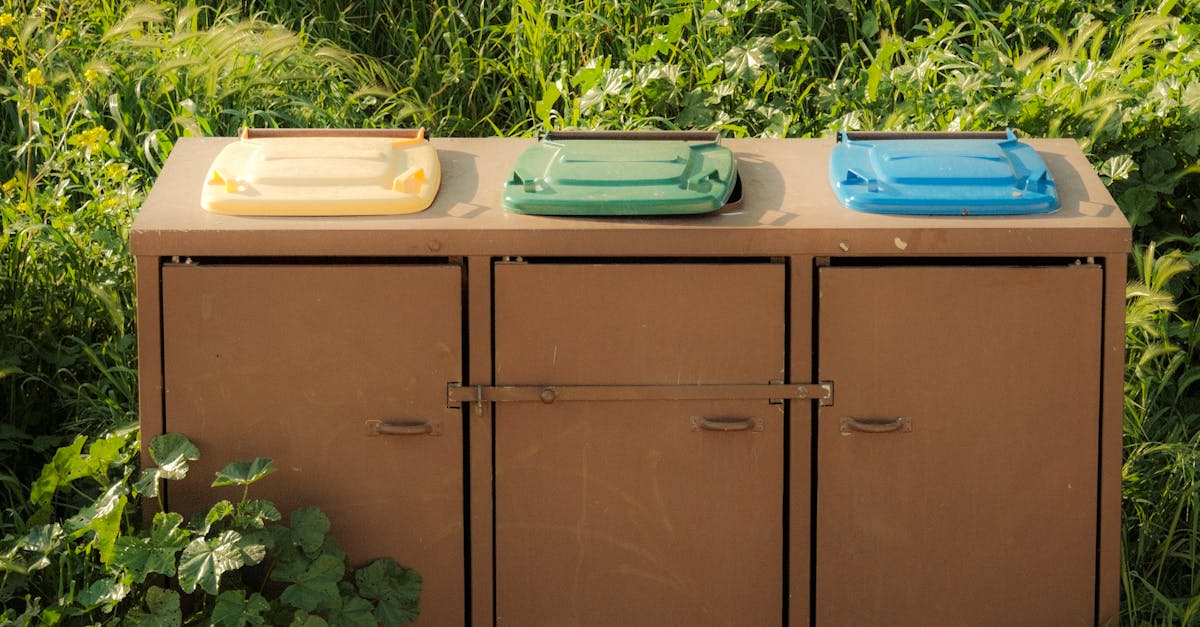
A successful recycling program relies heavily on clear communication and education for participants. Providing easily accessible information about what items can be recycled helps prevent contamination. Using visual aids, such as detailed signage and colour-coded bins, can guide individuals in making the right choices. Regular workshops or community sessions can also engage residents and foster a deeper understanding of recycling practices.
Collaboration with local businesses and organisations enhances the effectiveness of recycling initiatives. Partnerships can promote resource-sharing and increase the collection of recyclable materials. Incentives for businesses that actively participate in recycling programs can encourage broader community involvement. Furthermore, monitoring and evaluating the program’s success through data collection and feedback enables continuous improvement and adaptation of strategies to meet changing community needs.
Establishing Hazardous Waste Protocols
An effective hazardous waste protocol begins with a thorough understanding of the types of wastes generated by an organisation. Identifying whether materials like chemicals, batteries, or electronic waste fall under hazardous categories is essential. Classifying these substances allows for appropriate management practices to be established. Training staff to recognise and handle hazardous waste safely is crucial in preventing incidents that could lead to environmental harm or health risks.
Compliance with legal and regulatory requirements governs the disposal and treatment of hazardous materials. Establishing clear procedures for waste collection, storage, and disposal helps ensure that all activities conform to relevant guidelines. Regular audits and updates to the protocol may improve efficiency and safety. Engaging with licensed waste disposal services can further assist in maintaining compliance and safeguarding both personnel and the environment from potential hazards.
Guidelines for Safe Handling and Disposal
Effective management of hazardous waste necessitates proper training for staff involved in handling these materials. Personnel should receive education on the types of hazardous waste they may encounter, ensuring they are familiar with appropriate safety protocols. This includes the use of personal protective equipment (PPE) and understanding the potential risks associated with exposure. Regular training sessions and updates on procedures can significantly reduce the likelihood of accidents and ensure that everyone is aware of best practice standards.
In addition to training, establishing clear protocols for the segregation, storage, and disposal of hazardous waste is essential. Waste should be categorised according to its type, ensuring that incompatible substances are kept separate to prevent harmful reactions. Appropriate labelling of containers is crucial, providing visible warnings and clear instructions for handling. Disposal should only be carried out by certified professionals who adhere to local regulations and guidelines, ensuring that the entire process is conducted safely and responsibly.
FAQS
What is a comprehensive waste management plan?
A comprehensive waste management plan is a strategic approach that outlines methods for reducing, recycling, and safely disposing of waste in order to minimise environmental impact and promote sustainability.
Why is waste reduction important?
Waste reduction is crucial as it helps conserve natural resources, reduces landfill use, decreases pollution, and saves costs associated with waste disposal and management.
What are some effective strategies for minimising waste at the source?
Effective strategies for minimising waste at the source include implementing efficient production processes, encouraging the use of reusable materials, promoting digital documentation, and educating staff about waste reduction practices.
How can we implement successful recycling initiatives?
Successful recycling initiatives can be implemented by setting clear goals, providing accessible recycling bins, educating the community about recycling practices, and partnering with local recycling facilities for efficient processing.
What are the key guidelines for handling and disposing of hazardous waste?
Key guidelines for handling and disposing of hazardous waste include identifying and classifying hazardous materials, using appropriate protective equipment, training personnel on safe handling procedures, and ensuring compliance with local regulations for safe disposal.
Related Links
Maximising Recycling Efforts in Commercial SettingsInnovative Approaches to Managing Construction Waste in Liverpool
Understanding the Costs of Commercial Waste Management in Liverpool
How to Choose the Right Skip Bin for Your Commercial Needs
The Importance of Regular Waste Audits for Businesses
Strategies for Streamlining Office Waste Management
The Role of Skip Bins in Corporate Waste Management Strategies
Sustainable Practices for Businesses in Waste Disposal
Effective Commercial Waste Reduction Techniques in Liverpool NSW