Efficient Strategies for Managing Construction Waste in Liverpool NSW
Table Of Contents
Efficient Waste Segregation Methods
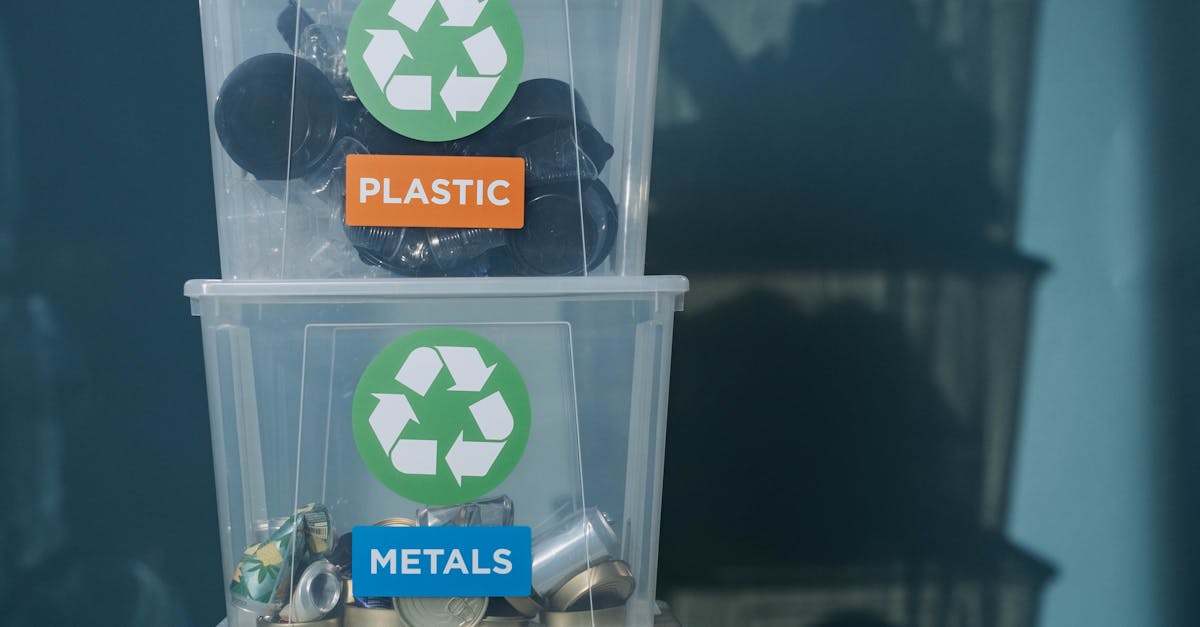
Effective waste segregation is vital for minimising the environmental impact of construction activities. It entails the proper categorisation of materials, such as timber, metals, concrete, and plastics, which can then be recycled or disposed of appropriately. Providing dedicated bins for each type of waste at strategic locations across the site fosters this practice. Clear signage and colour-coded containers help ensure that all workers understand where to place different materials, thereby reducing contamination of recyclable items.
The implementation of a robust waste segregation plan can significantly enhance recycling rates. Regular monitoring of waste types generated on-site can identify areas for improvement. Encouraging a culture of responsibility among workers in adhering to the segregation plan is essential for its success. Establishing a feedback loop allows for ongoing assessment and adjustments, ensuring that the strategy evolves with the project's needs while effectively managing the waste generated throughout the construction process.
Implementing a Segregation Plan
A well-defined segregation plan is essential for effective waste management during construction projects. This plan involves categorising different types of waste, such as recyclable materials, hazardous substances, and general refuse. By implementing colour-coded bins and clear signage on-site, teams can quickly distinguish between various waste types. Regular monitoring of these disposal systems ensures compliance with local regulations and promotes recycling initiatives.
Engaging all stakeholders in the segregation process fosters a sense of responsibility towards waste reduction. Meetings should be scheduled to review the segregation procedures, highlighting best practices and addressing any challenges faced on-site. Consistent updates and modifications to the plan can help adapt to the evolving needs of the project, ensuring continuous improvement in waste management efforts throughout the construction phase.
Working with Waste Management Companies
Engaging with reliable waste management companies is crucial for effective construction waste handling. These partners possess essential expertise in recycling and disposal, ensuring compliance with local regulations in Liverpool. Evaluating potential companies involves assessing their certifications, customer reputation, and service offerings. Carefully selecting a partner allows construction projects to streamline waste processes.
Forming a solid partnership fosters open communication regarding waste management goals. Regular meetings and updates can highlight progress and identify areas needing improvement. A collaborative approach enables construction teams to better understand waste reduction initiatives, leading to more sustainable practices on site. Ensuring both parties are aligned with project objectives can significantly enhance overall efficiency in managing construction waste.
Choosing the Right Partner for Your Project
Selecting a waste management company tailored to the specific needs of your construction project is crucial. Assessing a company’s experience in the construction industry can provide valuable insight into its capabilities. Understanding the types of waste it can manage efficiently helps in determining if it aligns with your project's requirements. Moreover, evaluating their certifications and compliance with local regulations ensures that your partnership adheres to legal standards and promotes sustainability.
Consideration should also be given to the company's approach to communication and customer service. A reliable partner will offer clear lines of communication and be responsive to your needs during the project lifecycle. Additionally, it is important to examine their methods for tracking waste disposal and recycling. A reputable waste management firm will provide comprehensive documentation, allowing for transparency and accountability throughout the construction process.
Training Your Workforce
A well-informed workforce plays a crucial role in minimising construction waste and improving overall efficiency on-site. Training programs should focus on the importance of waste management practices, such as proper segregation and disposal methods. Employees who understand how their actions impact the environment are more likely to adopt sustainable habits. Regular workshops can help reinforce these concepts, ensuring that everyone on the team is aware of the organisation’s waste management policies.
Additionally, practical training sessions can provide hands-on experience with waste segregation techniques and recycling protocols. Engaging workers in these practices fosters a sense of responsibility and ownership over waste management goals. Encouraging a culture of sustainability requires ongoing support and communication from management. By providing the necessary resources and knowledge, companies can empower their workforce to contribute positively to waste reduction initiatives.
Importance of Educating Staff on Waste Management
Proper training in waste management fosters a culture of responsibility among construction workers. Employees equipped with knowledge about recycling, disposal methods, and the environmental impact of waste are more likely to engage in practices that minimise excess and promote sustainability. Understanding the importance of sorting materials correctly can significantly reduce contamination rates, leading to more efficient recycling processes.
Moreover, educating staff on the implications of construction waste enhances overall project efficiency. When workers recognise the benefits of effective waste management, they become proactive in identifying opportunities to reduce waste at every stage of construction. Training sessions that incorporate hands-on activities and real-life scenarios can effectively reinforce these concepts, leading to long-term behavioural change and cost savings for projects.
FAQS
What are the benefits of effective waste segregation in construction projects?
Effective waste segregation helps reduce landfill waste, improves recycling rates, and can lead to cost savings by minimising disposal fees. It also promotes environmental sustainability and enhances the overall efficiency of the construction process.
How can I implement a segregation plan on my construction site?
To implement a segregation plan, start by assessing the types of waste generated on-site, then establish designated bins for different materials. Clearly label each bin and create a comprehensive plan that includes procedures for regular monitoring and maintenance of the segregation system.
What should I consider when choosing a waste management company in Liverpool NSW?
When choosing a waste management company, consider their experience in handling construction waste, their compliance with local regulations, the range of services they offer, and their reputation for reliability and efficiency. It's also beneficial to check for certifications and customer reviews.
Why is staff training important for waste management in construction?
Staff training is crucial as it ensures that employees understand the best practices for waste segregation and disposal. Educated staff are more likely to follow procedures correctly, which can significantly reduce waste and improve recycling outcomes on-site.
Are there any legal requirements for waste management in construction projects in NSW?
Yes, there are legal requirements regarding waste management in NSW, including compliance with the Waste Avoidance and Resource Recovery Act. Construction companies must follow guidelines for waste disposal, recycling, and reporting to ensure they meet environmental regulations and avoid penalties.
Related Links
Innovative Waste Management Solutions for Home Renovations in Liverpool NSWBest Practices for Renovation Waste Disposal in Liverpool NSW
How to Maximise Space in Your Skip Bin for Renovation Projects in Liverpool NSW
Cost-Effective Solutions for Managing Renovation Debris in Liverpool NSW
Legal Requirements for Construction Waste Disposal in Liverpool NSW
Selecting the Right Skip Bin for Your Construction Needs in Liverpool NSW
Understanding the Importance of Waste Segregation in Construction Projects in Liverpool NSW
Minimising Environmental Impact During Renovations in Liverpool NSW
The Role of Skip Bins in Streamlining Construction Sites in Liverpool NSW